Restoring Trust
How families can move from distance to honest, loving communication.
In a world full of distractions, it’s common for teens—and the people around them—to struggle with trust. Distrust often shows up as a tight, uncomfortable feeling in the body. Most individuals react to it without ever asking, “Why?” At times, this turns into more tension, creating defensiveness or retreat. No one wants to appear weak or defeated.
Why trust breaks down in families
When trust feels nonexistent at home, it’s rarely one person’s fault. High expectations can overwhelm children. Put them on a pedestal, and they may feel they don’t deserve to be there. When they fall, they fall hard—and trusting again becomes much more difficult.
Parents, meanwhile, may feel distrust when they sense a lack of respect. Both sides end up distracted, looking at experiences through a pinhole, afraid of what they’ll see, feel, or how they’ll make the other person feel. In that state, the easiest response is to distract away from what we don’t understand.
Distrust in the Body, Reactive Behavior
Distrust shows up as repeated patterns we don’t want, but can’t seem to stop. Often, these patterns start in childhood, from a thought we once believed was true. That belief gets held in the body, and the pattern repeats over and over.
Even when the belief is no longer true—or we don’t even believe it anymore—the body still reacts as if it is. This can go on for years. Once the belief is discovered, by getting out of the mind and getting curious about where in the body it’s being held, things can shift. When we see where the belief is kept and what thought was believed, it can let go as quickly as it was put there. Then we reflect on what we truly believe, and replace the limiting belief with our truth—an empowering belief. Right away, there is a noticeable difference.
Where trust can start again
A Heart Practice for Restoring Trust
This is a way to feel the energy of the heart so you can speak and act with more compassion and forgiveness.
Remember: your spoken words have power over your body, and your breath is the language of your body. Speak your intention to your body, and breathe in what you believe your words would feel like. The body responds to your words like law.
Quiet the mind
Speak out loud: “I can quiet my mind from all distractions.”
Hands on heart, breathe with awareness
Place your hands on your heart. As you breathe, visualize your heart expanding when you breathe in and gently retracting when you breathe out. Be curious, as if your breath can feel the energy within your heart. Do this for three breaths.
Enter the heart
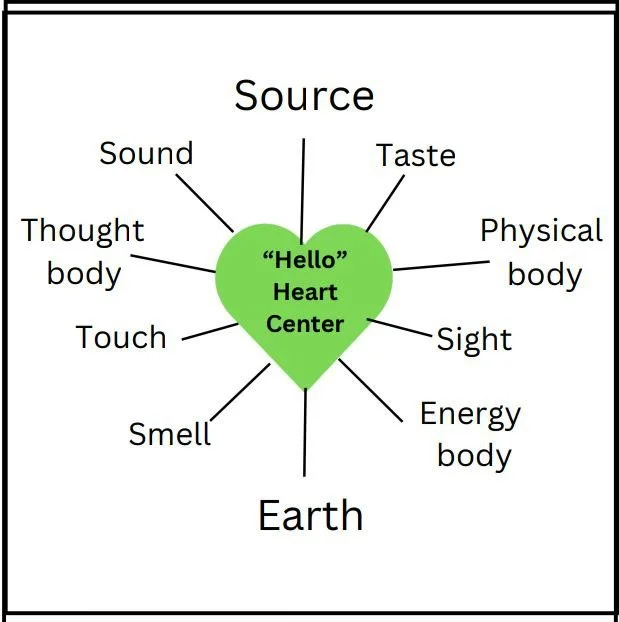
After three breaths, imagine you are entering into the center of your heart from behind. Step inside. Breathe and feel its energy.
Speak to your heart
Say out loud:
“Hello, my heart. I see you.”
Breathe those words into your heart so it can feel your presence.
“I believe in you.”
Breathe those words into your heart.
This is what it feels like to have presence with your heart’s energy. As you practice, your words and thoughts will begin to reflect more compassion and love.